What We’re Loving Right Now: Safer Feminine Hygiene Products (and Supporting Your Teen)
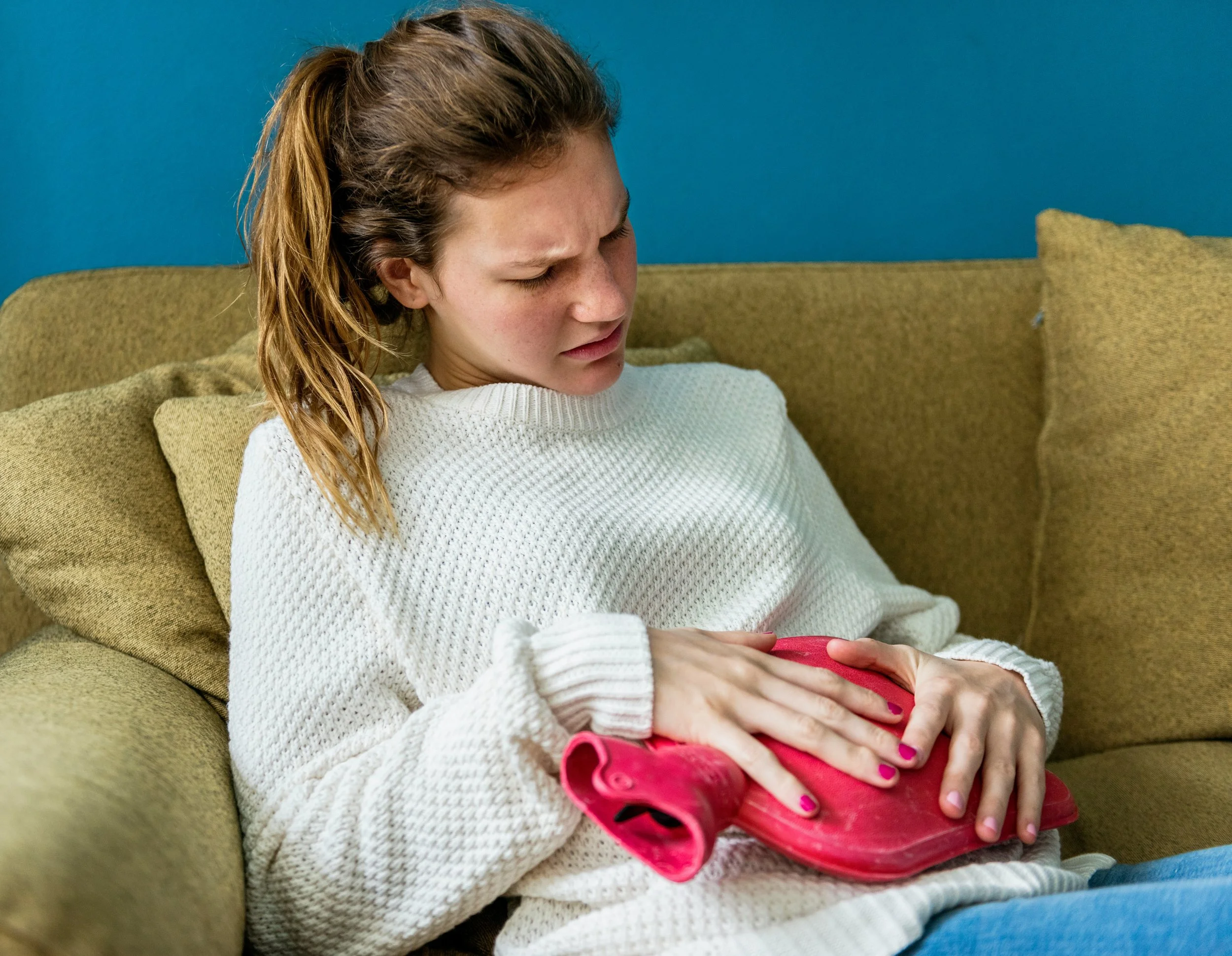
Let’s Be Real: The Period Aisle Is Confusing—And a Little Mean
The feminine hygiene aisle? It’s a pastel nightmare designed to mess with your head. “Softness.” “Delicate care.” “Organic cotton.” Somewhere in that maze, you’re supposed to find a product that doesn’t smell like chemicals, dye underwear pink, or make you question your life choices.
If you’re a mom with a teenage daughter entering her first period, the stakes are higher. She wants the scented pads because marketing convinced her that’s “cool,” and you’re trying to explain why bubblegum-scented products might actually be harmful—without turning into the “period police.” Meanwhile, her body is adjusting to massive hormonal changes, and you want to support her without adding stress to her already vulnerable stage of life.
The industry thrives on shame and confusion. Periods are still taboo, some men won’t even buy tampons for their partners, and companies know it. Pink, flower-shaped, scented “comfort” preys on insecurities. At the same time, hidden chemicals, synthetic fibers, and greenwashed claims lurk inside the boxes. The whole system? Messed up.
Enter Women’s Voices for the Earth (WVE). Discovering them was like finding cheat codes for the game of period shopping. WVE gives parents and teens research-backed, practical tools to navigate the aisle without guessing, panicking, or accidentally choosing products that could harm their health. It’s empowerment wrapped in education, not panic.
Armed with WVE guidance, we began to see the pastel haze for what it was. No more guessing which “organic” label actually mattered. No more silently worrying about exposing ourselves—or our daughters—to harmful chemicals. Here’s how we’ve used WVE to shop with confidence—and how you can too.
Want the quick, bullet-point version? Scroll to the end for our TL;DR cheat sheet—your aisle shortcut to safer feminine hygiene shopping.
Learning from WVE: Why It Matters
Women’s Voices for the Earth (WVE) is a nonprofit dedicated to helping women and teens make informed decisions about products that affect their bodies. Their mission combines research, advocacy, and consumer education to reduce exposure to hormone-disrupting chemicals, helping families make confident choices.
What makes WVE stand out:
Research and Reports: Investigate chemicals in feminine hygiene products, cosmetics, and household items, translating complex studies into easy-to-digest, actionable advice.
Consumer Education: Checklists, guides, and campaigns teach parents and teens to decode marketing claims, read ingredient labels, and identify safer products.
Policy Advocacy: Pushes for better chemical safety legislation, protecting consumers and the next generation.
Empowerment Through Knowledge: Teaches families to take control of what goes into and onto their bodies, one confident choice at a time.
Our first Target trip armed with a WVE guide was revolutionary. Suddenly, we could read ingredients, check certifications, and decide which products were worth our money. The pastel boxes stopped whispering confusing promises—they became puzzles we could solve. My teen daughter even laughed at the absurdity of scented tampons while holding a “safer” pad in triumph.
The Not-So-Pretty Side of “Organic”
“Organic cotton” sounds reassuring, but it’s rarely the whole story. Often, only the outer layer is organic, while the absorbent core—the part that actually touches your body—may contain synthetic fibers, fragrances, or bleach.
Certifications like GOTS or OEKO-TEX help, but they don’t always cover adhesives, fragrances, or the core. Knowing this allows both parents and teens to shop with clarity instead of anxiety.
Once, we grabbed a box claiming “100% organic” and discovered, thanks to WVE research, that the core still had synthetic fibers. That knowledge gave us the power to skip a product that looked innocent but wasn’t—and left my teen feeling like she’d leveled up in “period survival skills.”
Marketing Tricks That Make You Go “Hmm”
Even the prettiest packaging can hide red flags:
“Organic” Without Certification: Labels can be misleading. If there’s no GOTS or OEKO-TEX, the product might only have a tiny bit of organic cotton.
Fragrance & Dyes: “Unscented” sometimes still smells like a spring meadow thanks to masking fragrances. Pink pads? Often dyed. Fragrance- and dye-free = safer for sensitive, developing bodies.
Hypoallergenic Labeling: Not regulated. Your teen’s skin may rebel anyway.
Greenwashing: Recyclable packaging is nice, but it doesn’t mean the product inside is safe. Always check ingredients and certifications.
Teaching your teen these tricks early builds confidence, reduces stress, and makes the aisle feel less like a trap.
Common Chemicals You Might Want to Avoid
Hormone-sensitive developing bodies make avoiding certain chemicals extra important:
Chlorine bleach: Whitens cotton but can create dioxins, hormone disruptors. Choose unbleached when possible.
Fragrance chemicals: Can irritate sensitive skin. Fragrance-free = simpler, safer choice.
Synthetic fibers: Polyester and rayon aren’t biodegradable and may irritate. Organic cotton avoids both issues.
PFAS (“forever chemicals”): Found in some pads and liners for moisture or stain resistance. Linked to hormone disruption. Look for products that explicitly advertise PFAS-free or check for GOTS certifications.
Pesticide residues: Conventional cotton is heavily sprayed. Organic reduces exposure.
Even switching one product per cycle gives both parent and teen confidence while reducing chemical exposure.
How to Navigate the Aisle Without Losing Your Mind
Here’s our step-by-step WVE-inspired approach:
Look for certifications: GOTS or OEKO-TEX are helpful but may not cover the whole product.
Read ingredient lists together: If half the ingredients are unpronounceable, consider skipping. This also teaches your teen label literacy.
Compare products side by side: Identify fragrance- and dye-free, toxin-conscious, and genuinely organic options.
Take small steps: Swap one product at a time. Quick wins = confidence for both parent and teen.
Our first shopping trip took longer, but instead of stress, it was empowering. Each choice was intentional, safe, and a learning experience for my teen. She even joked, “Who knew reading labels could be so rebellious?”
Our Favorite Safer Products
Available at Target:
Cora Organic Cotton Tampons: 100% certified organic cotton, free of fragrances, dyes, and bleach. Subscription delivery avoids last-minute panic.
Rael Organic Pads & Liners: Plant-based, biodegradable, hypoallergenic, and comfortable—designed with real teens in mind.
Even switching one product boosts confidence and peace of mind for parents and teens alike.
Period Underwear: Proceed With Confidence
Period underwear can be a great option for lighter days, backup protection, or pre-first-period teens, but it’s important to choose carefully. Some brands contain PFAS or other endocrine-disrupting chemicals, and many products advertised as organic cotton still use polyester linings in areas that sit directly against delicate skin.
Why this matters: polyester can trap moisture, irritate sensitive skin, and isn’t ideal for hormone-sensitive or developing bodies.
What to look for:
Transparent ingredient lists: Brands that clearly share all materials are the safest choice.
Chemical-free claims: PFAS-free or non-toxic labeling is a good sign, but always verify.
Breathable fabrics: Look for products that prioritize comfort and airflow in sensitive areas.
Right now, the market hasn’t fully reached the “best option” yet. We’re continuing to research and test period underwear that is organic, chemical-free, and polyester-free, and when we find strong options, we’ll share a full guide.
In the meantime, period underwear can still be a useful and empowering tool—especially when combined with education for your teen about materials, chemicals, and safe choices. Trying one or two pairs and reading labels together helps your teen feel prepared, confident, and in control.
Bonus: Reusable Options
Feeling adventurous?
Menstrual cups: Long-lasting, chemical-free, eco-friendly once comfortable.
Cloth pads: Soft, washable, gentle on the environment.
Proper care ensures safety, reduces waste and chemical exposure, and sharing the learning process with your teen normalizes eco-conscious habits early.
Trusted Resources for Confident Shopping
Women’s Voices for the Earth (WVE): Research and guides make complex science accessible and actionable for parents and teens.
Mamavation: Reviews personal care products and highlights safer alternatives—great for families navigating first periods.
Environmental Working Group (EWG): Their Skin Deep database quickly checks products and ingredients before you buy.
These resources turn a confusing aisle into a place where families are empowered, confident, and maybe even laughing a little along the way.
Quick Takeaways: TL;DR
Certifications Matter (Mostly): GOTS or OEKO-TEX cover some materials, not always the whole product.
Read Ingredients: Organic, hypoallergenic, and unscented claims can be misleading.
Avoid Certain Chemicals: Chlorine bleach, synthetic fibers, fragrance chemicals, PFAS, pesticide residues—especially for developing bodies.
Safer Products at Target: Cora, Rael, L.
Ease Into the Switch: One product at a time, mix & match, expect a learning curve.
Consider Reusables: Menstrual cups, cloth pads, period underwear (check ingredients).
Teach Your Teen: Reading labels, spotting marketing tricks, making empowered choices.
Self-Care Counts: Every safer choice is a win. Chocolate and coffee optional—but highly recommended.
Next time you hit the Target aisle, bring this cheat sheet—and maybe a friend or your teen. Shopping for safer products can actually be fun, empowering, and educational.
Affiliate Disclaimer:
As always, What We’re Loving Right Now only recommends products we genuinely use, adore, and would gift to our own best friends. Some of the links in this post are affiliate links, which means we may earn a small commission—the kind that helps us keep sharing the things we truly love (and never the ones we don’t).