Not All Hydroxyapatite Toothpastes Work — Here’s the Surprising Reason Why
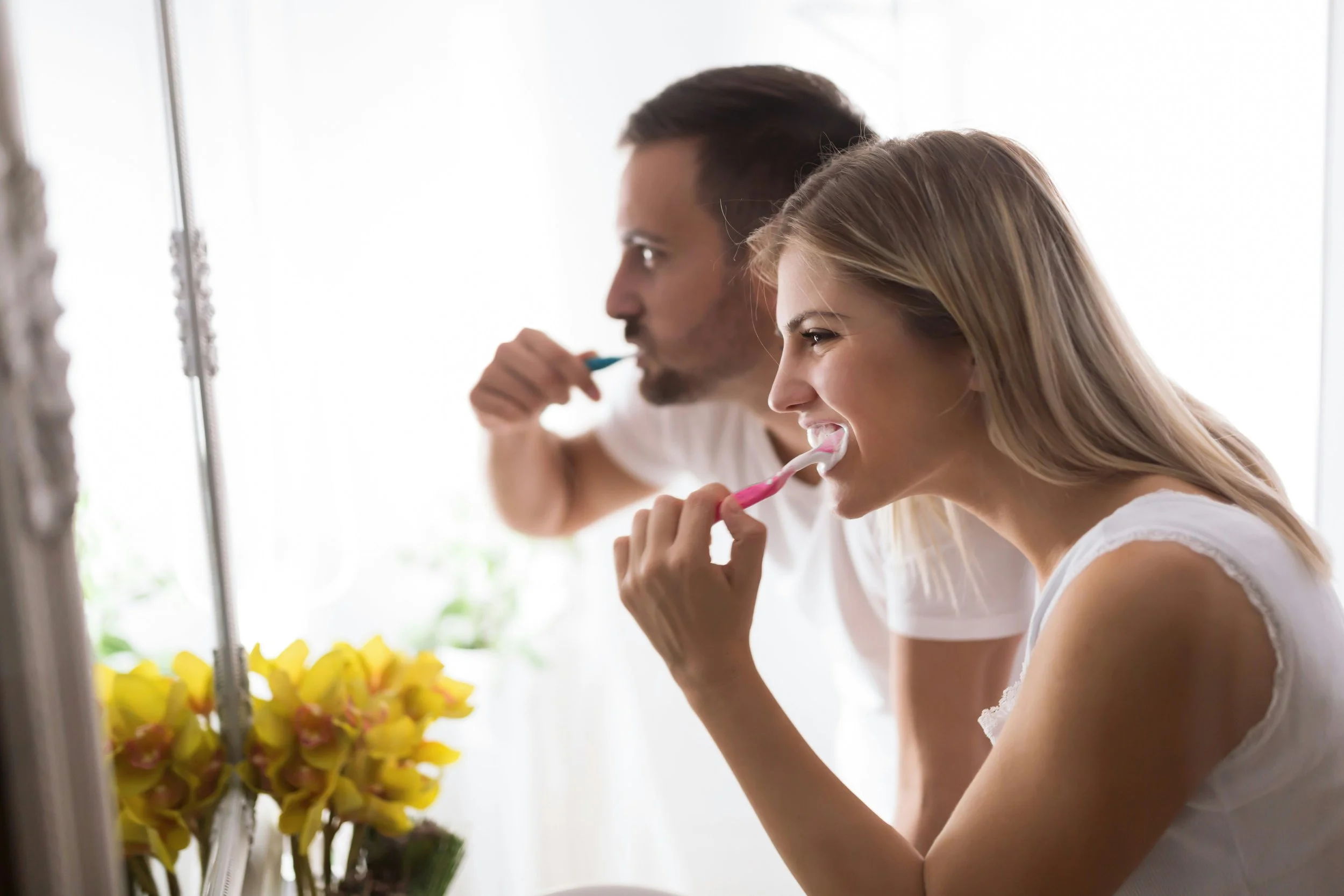
Let’s Be Honest: The Toothpaste Aisle Is a Lot
Somewhere between the “whitening,” “sensitive,” and “natural” toothpaste options, most of us have had the same moment — standing there, scanning labels, thinking: Why is this so hard?
You want something clean, safe for your kids, not loaded with fluoride or SLS, and ideally something that actually helps your teeth, not just freshens your breath. But every brand seems to promise the same thing.
Once you start looking into hydroxyapatite (HA) — the mineral that’s supposed to rebuild enamel — you realize how many brands are adding it just for marketing appeal. And yet, few are using enough of it (or the right kind) to actually make a difference.
We’ve tried a lot of them. Some are “fine.” They check the clean-ingredient box, but they just don’t deliver real results. And when you’re spending $10–$15 on a tube, “fine” doesn’t cut it.
If you really want a toothpaste that repairs enamel and reduces sensitivity, you have to look past the buzzwords and dig into the science.
Why Hydroxyapatite Deserves a Spot in Your Routine
Hydroxyapatite isn’t a buzzy newcomer. It’s the same mineral that makes up most of your tooth enamel. When used in the right concentration and particle form, it can do something fluoride can’t: directly rebuild your enamel.
For decades, Japanese dentists have recommended HA toothpaste, supported by over 40 years of research showing measurable enamel remineralization, reduced sensitivity, and cavity prevention. The studies consistently emphasize three key factors: particle size, particle shape, and concentration.
When these are optimized, HA can actually deliver on its promise. If any of them are off, the toothpaste may do little more than clean superficially. That’s why our evaluation of HA toothpastes isn’t based on trends — it’s based on research-backed formulation and results.
Meet the Founders Who Actually Got It Right
The person behind a product often determines how well it lives up to its claims.
FYGG was founded by Dr. Mark Berhenne and developed in collaboration with Dr. Staci, a holistic dentist who emphasizes whole-body oral health. Together, they approach dental care with a focus on both clinical efficacy and overall wellness, bridging traditional enamel science with a holistic perspective on oral health.
They designed FYGG toothpaste using both nano and micro hydroxyapatite particles at clinically proven levels, so every brush delivers measurable results. The nano particles penetrate micro-fissures to repair enamel from within, while the micro particles reinforce overall structure and shine.
Their combined dental philosophy also informs how the toothpaste is meant to be used. They both emphasize one simple but crucial tip: don’t rinse after brushing. HA needs direct contact time with enamel to do its work, so leaving a thin film behind allows remineralization to continue even after you put your toothbrush down. This approach reflects their holistic focus — supporting enamel repair while preserving the natural balance of the oral environment.
Wellnesse was founded by Katie Wells, a longtime wellness advocate and mom of six, known for her practical, research-driven approach to clean living. She believes that natural products shouldn’t require compromise — they should perform as well as conventional options. Her toothpaste formulas use spherical micro-sized HA particles at 5–10% concentration, mirroring the Japanese studies, but with a soft, approachable feel and clean ingredient sourcing that make the experience genuinely enjoyable.
These founders bring integrity, intelligence, and intention to their products — and that’s why they rise to the top of our “What We’re Loving” list.
How Hydroxyapatite Actually Works (and Why Most Brands Miss the Mark)
Here’s the thing about HA — it can’t just exist in the formula. It has to exist in the right form.
There are three main factors that determine whether your toothpaste is doing real work or just putting on a clean-label show:
1. Particle Size
HA comes in nano and micro forms. Nano particles reach the micro-fissures in enamel where sensitivity starts, while micro particles rebuild the broader structure. A blend of both provides full coverage and stronger enamel over time.
2. Particle Shape
Shape matters almost as much as size. Spherical or crystalline HA adheres smoothly to enamel; irregular or plate-like particles don’t. Think Lego blocks versus crushed glass — one fits snugly, the other leaves gaps.
3. Concentration
To be effective, HA should make up about 5–15% of the toothpaste by weight. Anything below 3% is mostly cosmetic. FYGG and Wellnesse fall squarely within the research-backed range, which is why they actually work.
When size, shape, and concentration align, HA doesn’t just coat teeth — it rebuilds them.
Hydroxyapatite vs. Fluoride: The Why Behind the Switch
Fluoride has been the standard for decades, but it works differently. It strengthens enamel indirectly by helping teeth absorb minerals from saliva, creating a harder surface layer — but it doesn’t fill in micro-cracks or rebuild worn areas.
Hydroxyapatite, on the other hand, directly deposits mineral into enamel, filling gaps and strengthening teeth from within. It’s also gentle on your oral microbiome and completely non-toxic if swallowed — something every parent can appreciate.
So while fluoride hardens, HA repairs. And once you understand that difference, it’s hard to go back.
How to Actually Use It (Because Technique Matters)
Of course, even the best formula won’t help if you don’t use it properly. HA works best when it has direct, sustained contact with enamel — meaning your brushing technique matters.
A few quick reminders (straight from the founders and from our own experience):
Brush for at least two minutes, twice a day.
Use gentle, circular motions — no aggressive scrubbing.
Don’t rinse immediately after brushing. Spit, but let the thin layer stay.
Be consistent. Enamel repair happens gradually, over weeks, not days.
That last part is key: HA works like skincare for your teeth. The results are cumulative, and patience pays off.
But Does It Actually Taste Good? (And Will My Kids Like It?)
Even the most effective toothpaste won’t stick if no one in your house wants to use it.
Both FYGG and Wellnesse keep flavor simple and family-friendly. Their mints are mild — fresh enough to feel clean but never overpowering. You still get that “just brushed” feeling without the icy burn or the synthetic sweetness so common in mainstream formulas.
They’re not dessert-flavored (personally, we’ll never understand cake-batter toothpaste), but they also don’t taste like baking soda and regret. The balance is just right — not too spicy for kids, not too sweet for adults. One tube truly works for the whole family.
That subtle freshness makes brushing feel like a small, satisfying ritual — and when a product helps you want to be consistent, it’s doing something right.
Honorable Mentions: The “Fine But Not Great” Club
We’ve tried other hydroxyapatite toothpastes — Boka, RiseWell, and David’s — and they’re all solidly “clean.” They’re just not as effective.
Boka: 3–5% HA, less uniform shape
RiseWell: 2–4% HA, irregular crystals
David’s: 1–3% HA, plate-like particles
They’ll clean your teeth, but they won’t rebuild enamel in a meaningful way. And for roughly the same price, why not get a formula that’s clinically proven to work?
Why These Two Brands Made Our “What We’re Loving” List
When we say we love something, it’s not just about ingredient labels or aesthetic packaging. It’s about trust — in the people behind the brand and in the science that backs it.
FYGG and Wellnesse both deliver on that trust. They’re not trying to reinvent oral care; they’re refining it. Each is grounded in expertise, transparency, and clean design that actually does what it promises.
We’ve seen less sensitivity, smoother enamel, and healthier gums — and honestly, fewer half-used tubes collecting dust in the bathroom drawer. That’s why these two aren’t just “favorites.” They’re the ones we keep rebuying.
FAQ
Q: Is hydroxyapatite safe for children?
Yes. It’s naturally derived, non-toxic, and proven safe in studies — even in children’s formulations used in Japan for decades.
Q: Can it replace fluoride?
For most people, yes. HA repairs enamel directly and is ideal for those seeking fluoride-free care.
Q: How can I tell if a brand is actually effective?
Look for 5–15% HA, nano and micro particles, and spherical shape. If those details aren’t listed, it’s probably not optimized.
Q: Does it help with sensitivity?
Absolutely. HA seals micro-tubules in dentin, protecting nerves from heat, cold, and pressure.
The Bottom Line: Choose Formulation Over Label
Hydroxyapatite toothpaste can do more than clean — it can rebuild enamel, reduce sensitivity, and support long-term oral health. But only if it’s formulated correctly.
FYGG and Wellnesse rise above the rest because they pair clean ingredients with proven science, integrity, and that everyday usability we actually want in a family toothpaste.
Other brands meet the basic “clean” criteria, but for the same price, why settle for fine when you can have effective?
That’s the essence of What We’re Loving Right Now — products that are thoughtful, research-backed, and created by people we genuinely trust.
Affiliate Disclaimer:
As always, What We’re Loving Right Now only recommends products we genuinely use, adore, and would gift to our own best friends. Some of the links in this post are affiliate links, which means we may earn a small commission — the kind that helps us keep sharing the things we truly love (and never the ones we don’t).